INSPIRE-2024

Share on facebook
Share on pinterest
Share on twitter


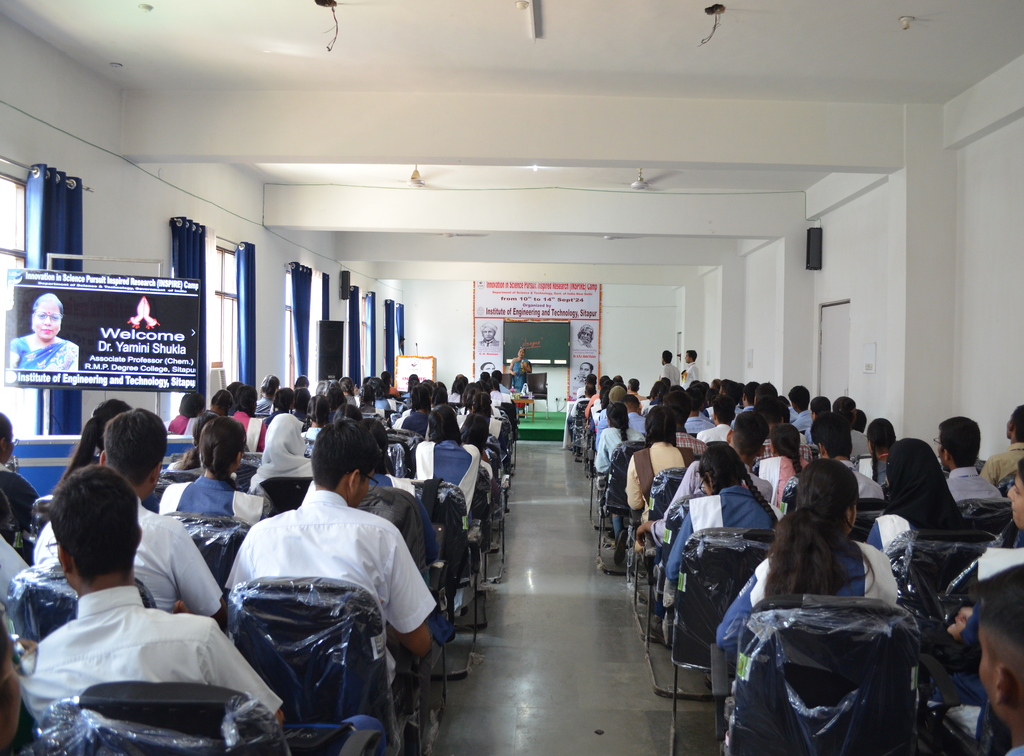
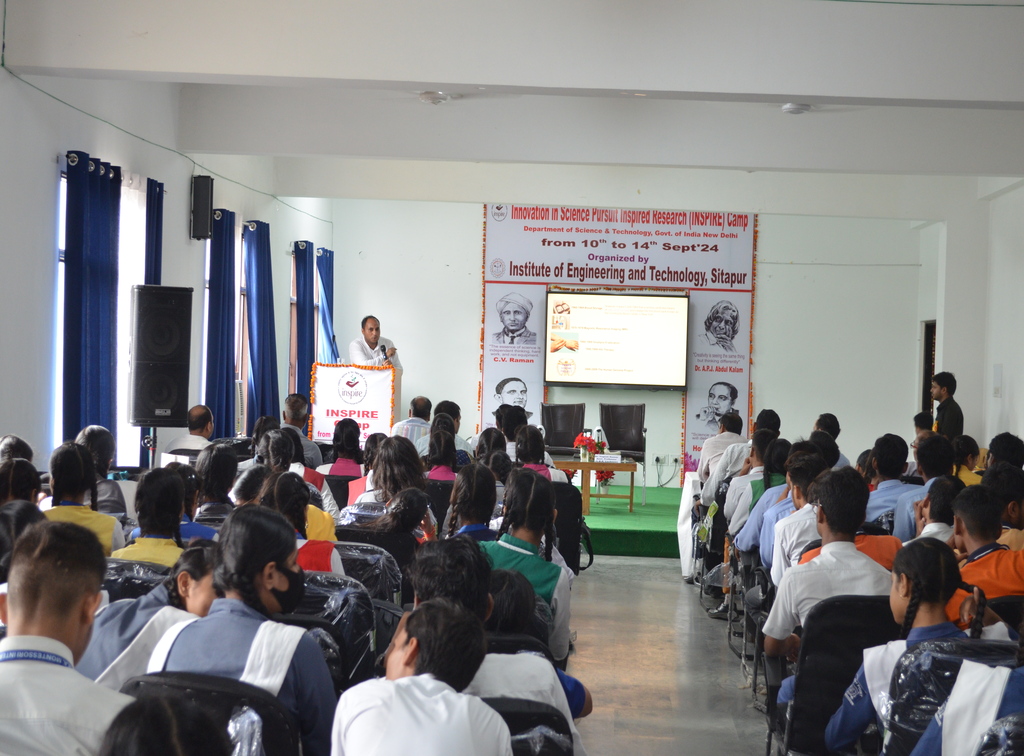
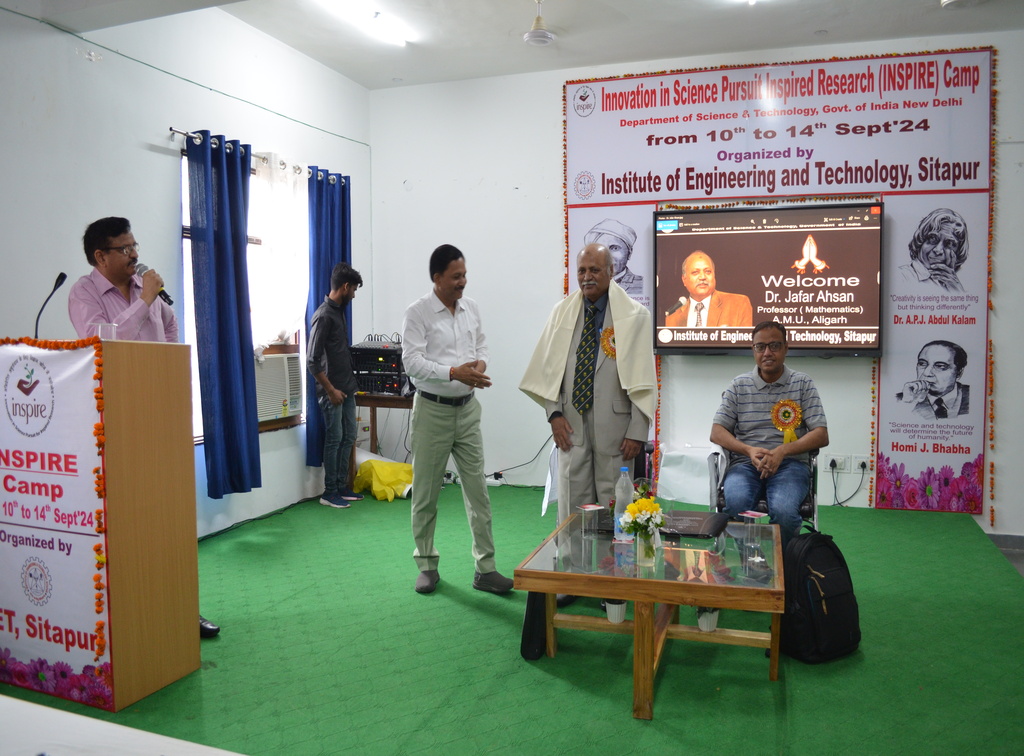
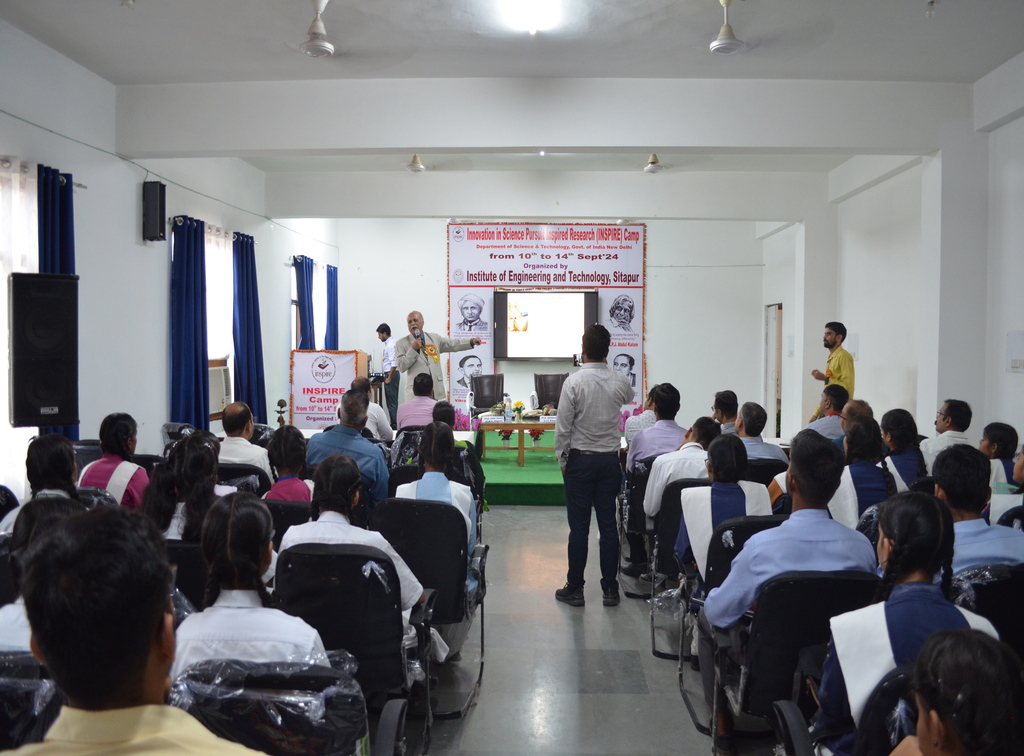
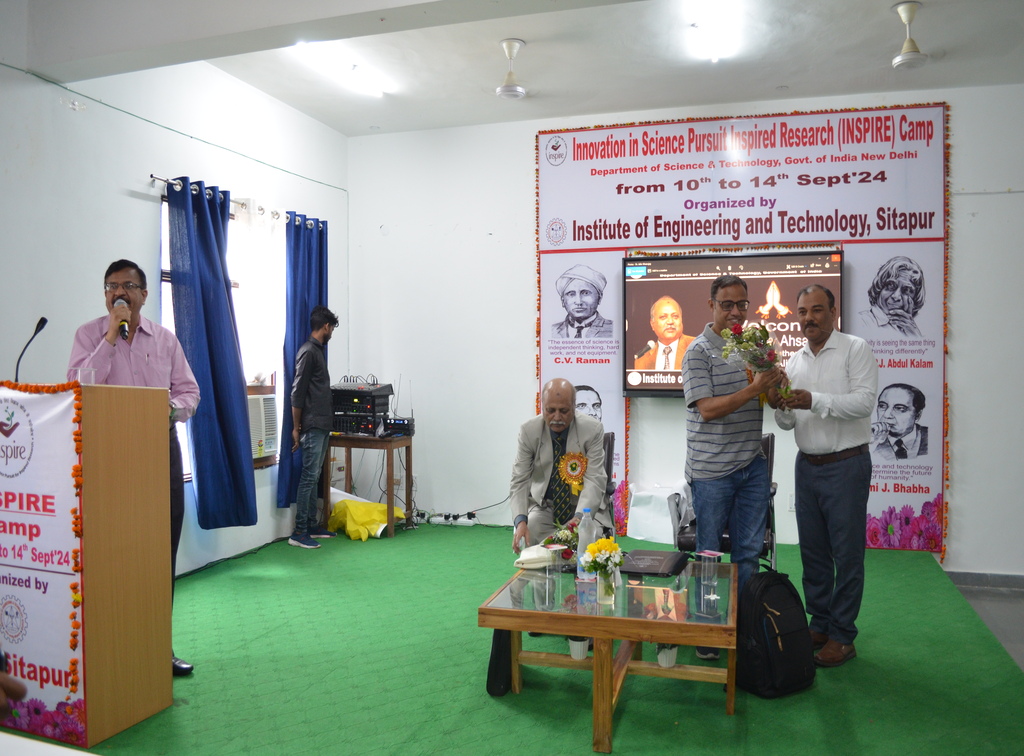
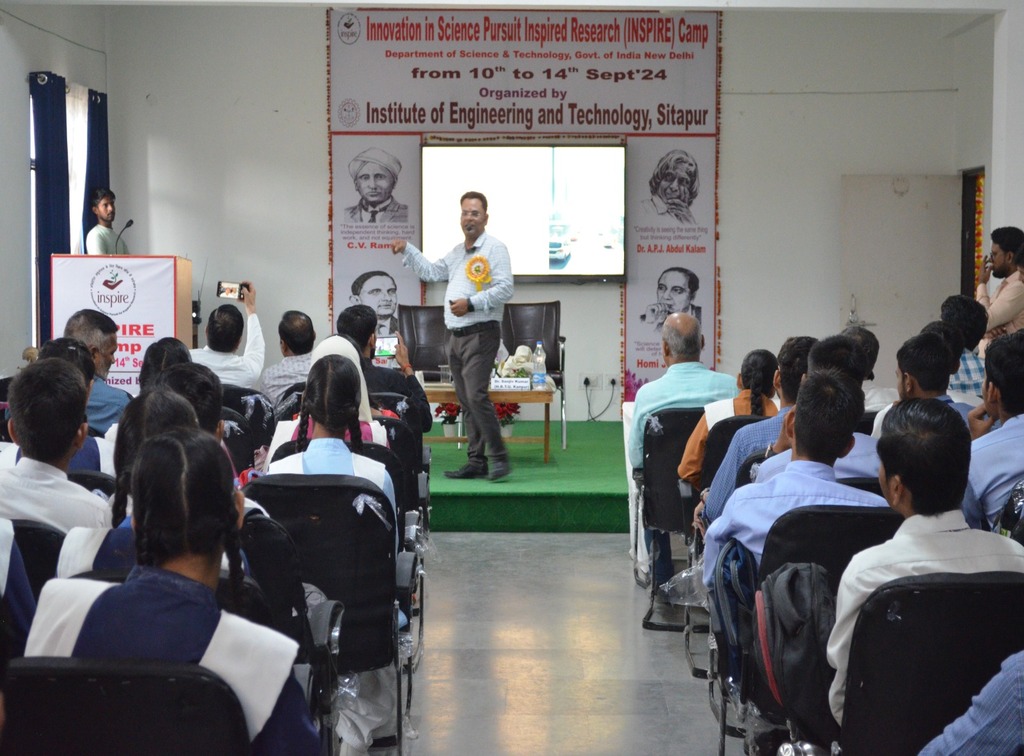
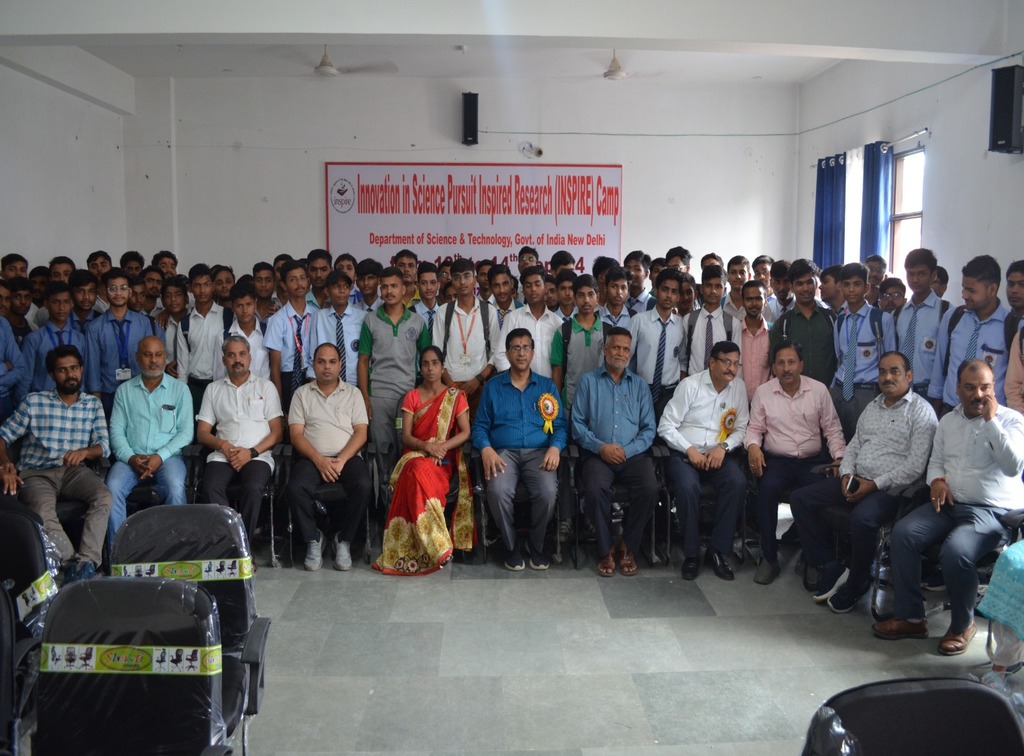
The Institute of Engineering and Technology, Sitapur, hosted a grand five-day camp titled “Innovation in Science Pursuit Inspired Research” (INSPIRE) from September 10 to September 14, 2024, in collaboration with the Department of Science and Technology, Government of India. The event welcomed over 200students, top 1% students from various CBSE and UP board schools across Sitapur district.

The camp was inaugurated on its first day by the chief guest, Dr. R.K. Upadhyay, Director of Kamla Nehru Institute of Technology, Sultanpur, who lit the ceremonial lamp. In his address, Dr. Upadhyay emphasized the importance of practical education in science and technology, highlighting that critical thinking is essential for fostering innovation. He shared his “gurumantra” of 4L—Last, Lost, Least, and Lowest—and engaged the students in a detailed discussion about disruptive technology, as well as natural and artificial intelligence. His insights aimed to inspire the participants and encourage them in their scientific experiments.

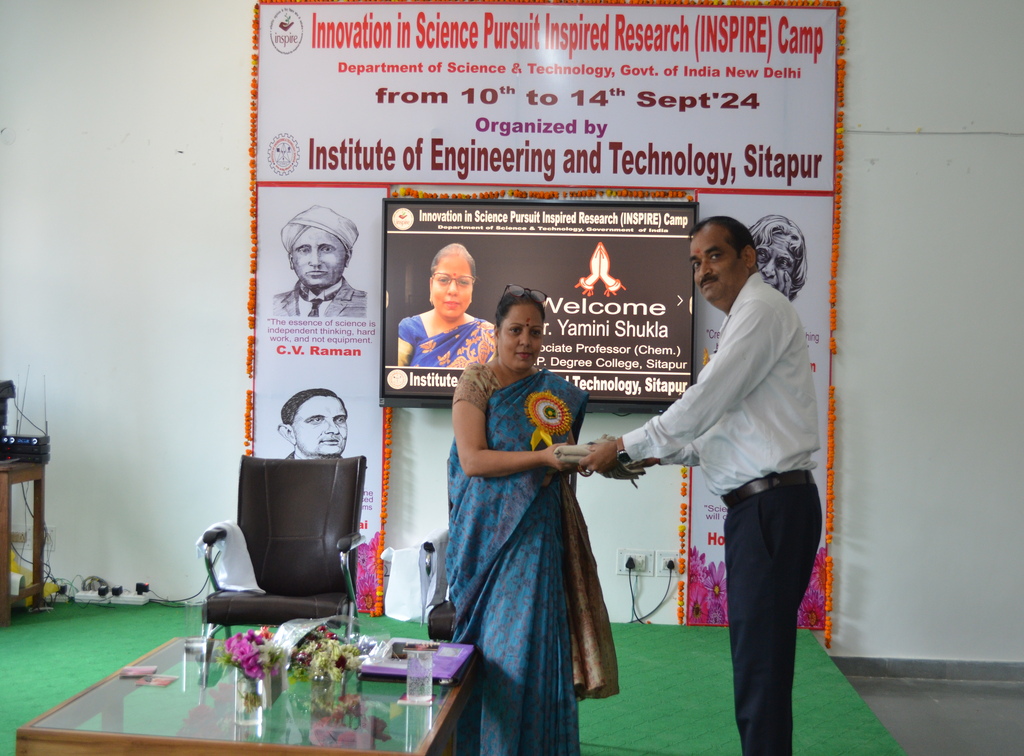
The second lecture of the INSPIRE camp was delivered by Dr. Yamini Shukla, who focused on the use of chemistry in everyday life. She provided an in-depth exploration of the molecular structures of various medicines, including insights into generic medications and important classifications such as International Nonproprietary Names (INN), British Approved Names (BAN), and official pharmacopoeias like B.P. and I.P. Dr. Shukla elaborated on the atomic structure of analgesics and antipyretics, specifically discussing paracetamol—its uses, effects, and the science behind its efficacy.

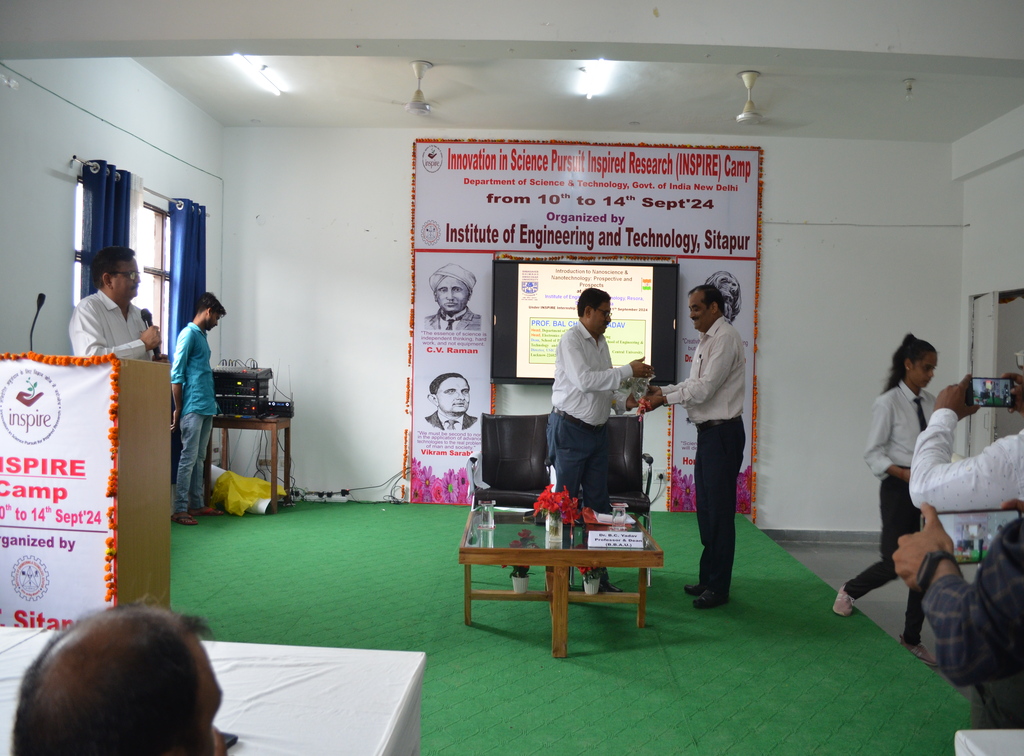
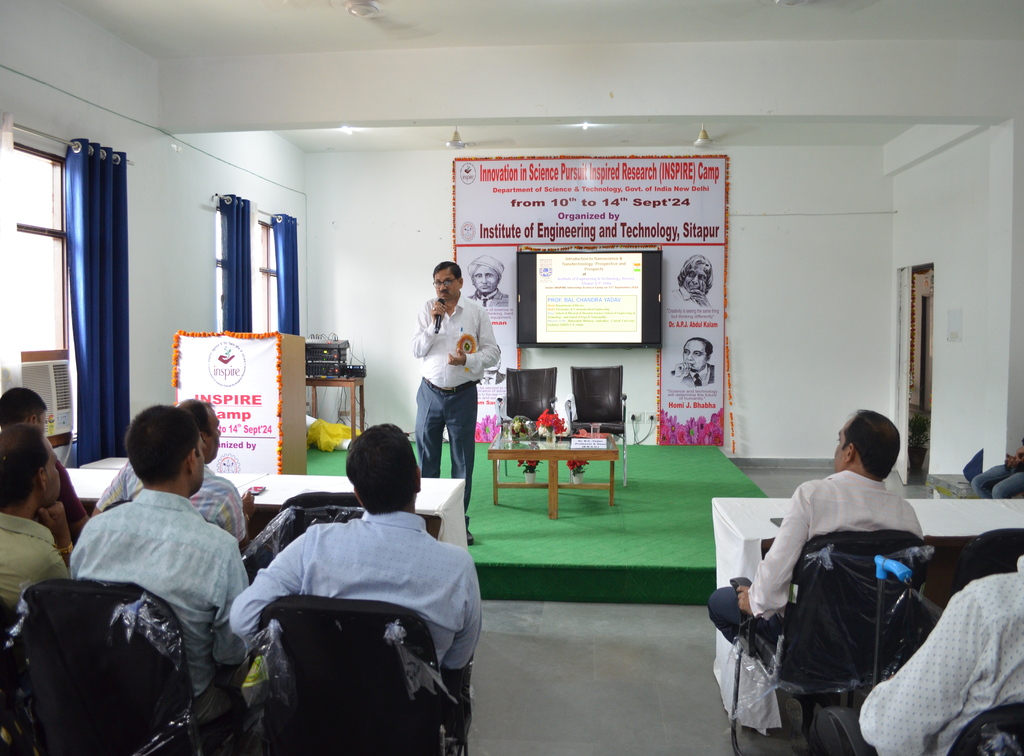
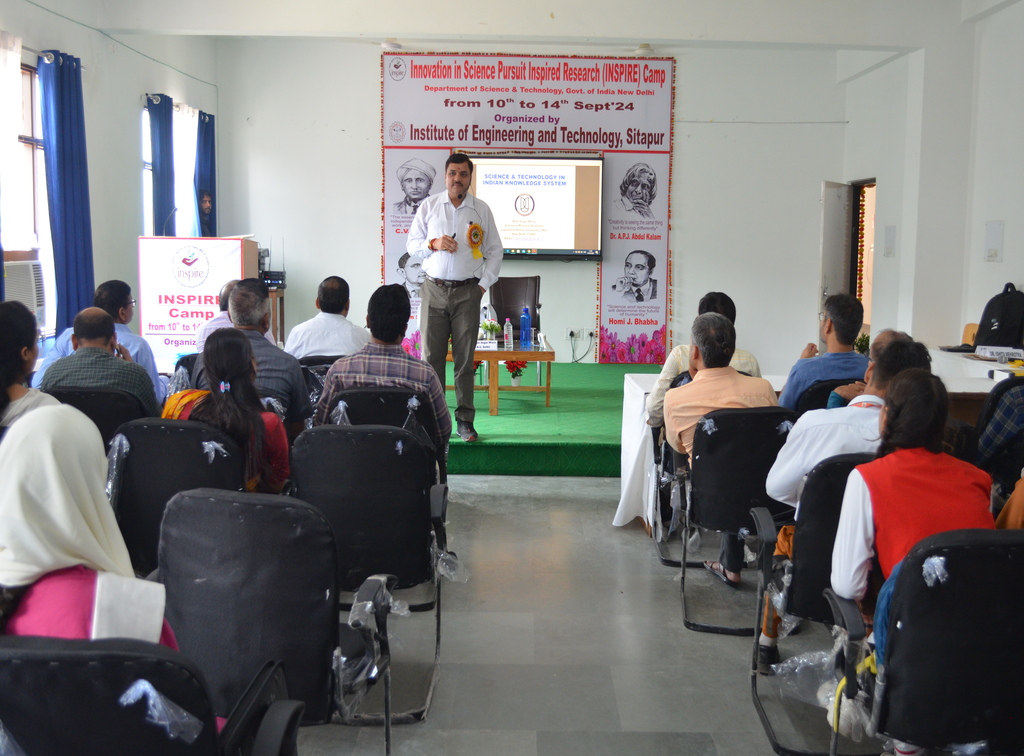
In the first session of the second day of the INSPIRE camp, Professor Dr. BCD Yadav from Baba Saheb Bhimrao Ambedkar University, Lucknow, delivered an insightful lecture. She emphasized that the formulas of modern science and technology can often be traced back to the rich tradition of ancient Indian knowledge and science.

In the second lecture series, Dr. Yogesh Kumar from CBMR Lucknow spoke about the vital role of science in acquiring knowledge, especially in the context of public health. He highlighted how medical science serves as a lifeline during epidemics, providing life-saving medicines when they are most needed.

In the first session of the third day of the INSPIRE camp, Professor Dr. Zafar Ehsan from Aligarh Muslim University emphasized the foundational role of mathematics in technology and everyday life. He asserted that mathematics is essential for various calculations, including fever, blood pressure, weight, platelet counts, and even radioactive carbon dating.

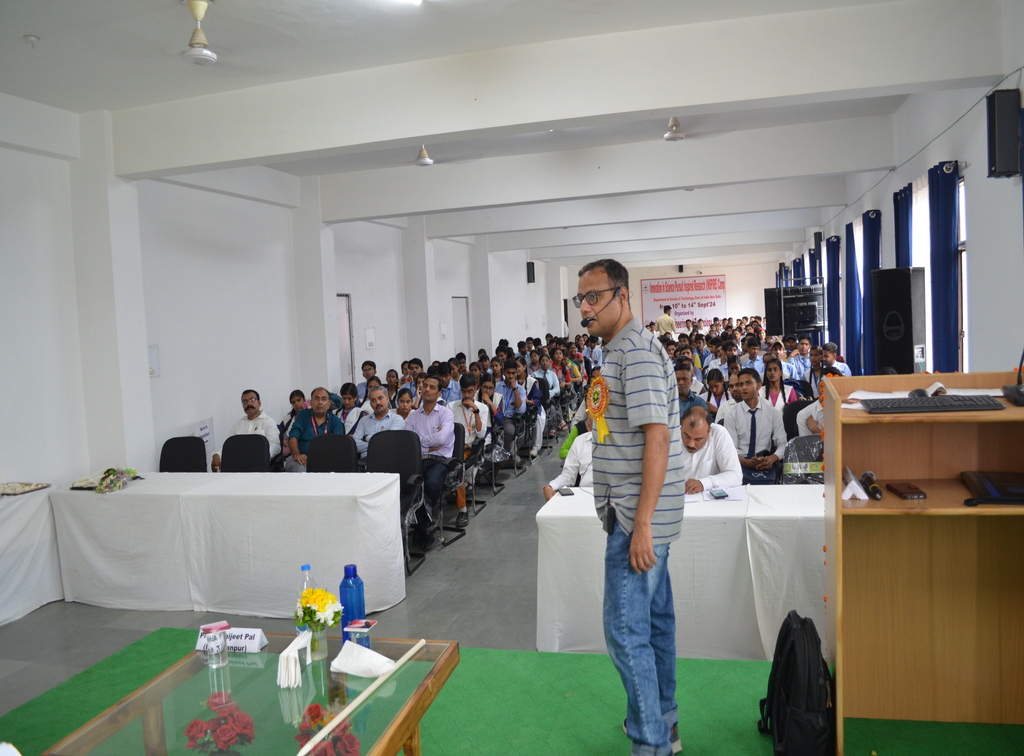
In the second lecture of the day, Professor Dr. Abhijit Pal from IIT Kanpur discussed the profound impact of numerical knowledge on the development of human civilization. He traced the origins of mathematics back to India over five thousand years ago, highlighting how the invention of zero revolutionized operations such as addition, subtraction, multiplication, and geometric calculations.

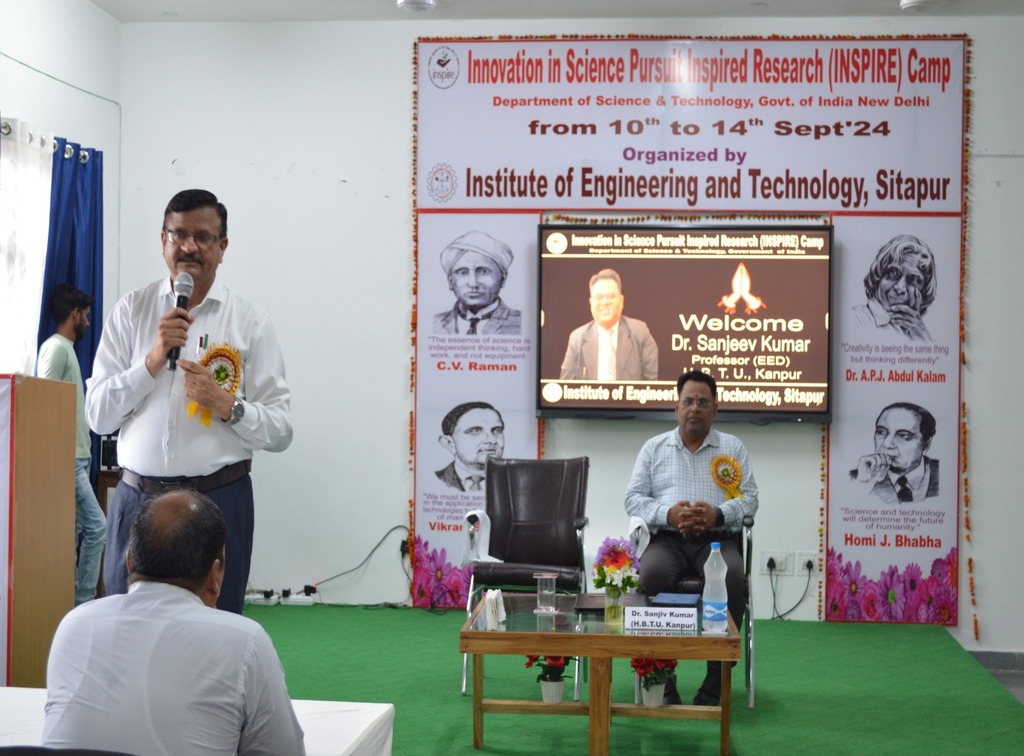
In the first session of the fourth day of the INSPIRE camp, Professor Dr. Sanjeev Kumar from HBTU Kanpur addressed the students, focusing on the pressing issue of global warming. He emphasized that the universal adoption of renewable energy could be a significant solution to this challenge. Professor Kumar highlighted the need for innovative research in solar energy storage to enhance the effectiveness of renewable sources.

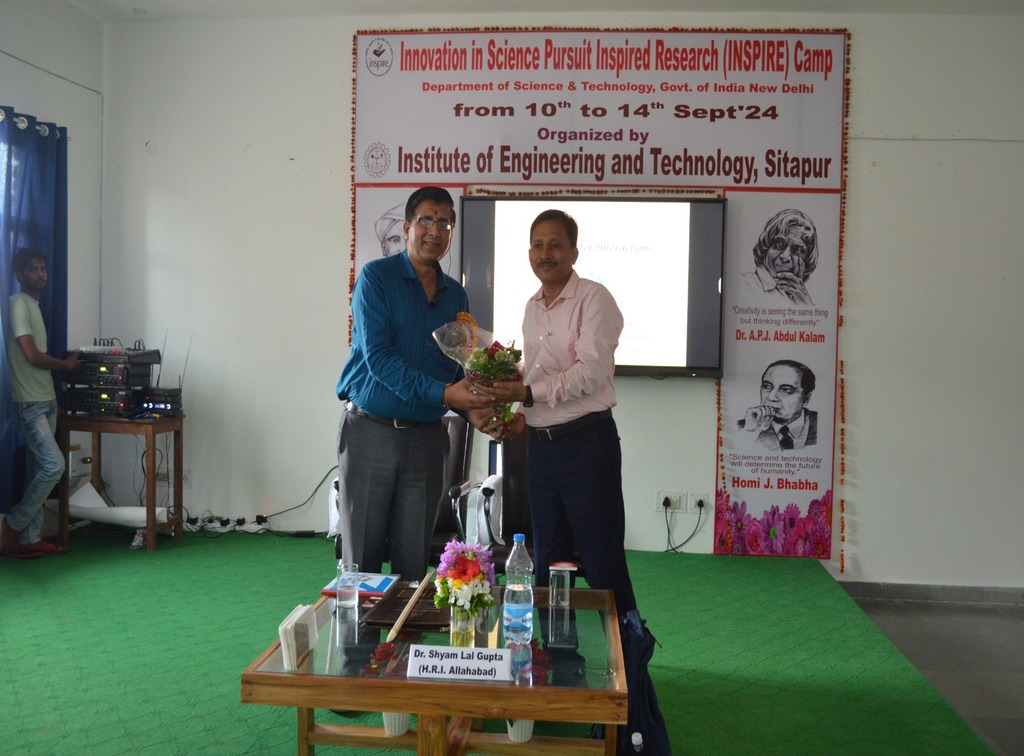
In the second lecture series, Dr. Shyam Lal Gupta, a professor at HRI Allahabad, discussed the foundation of the information revolution, attributing it to the scientific application of the infinite speed of light. He explained how photoelectricity travels through magnetic waves, which can move freely through space and the atmosphere.

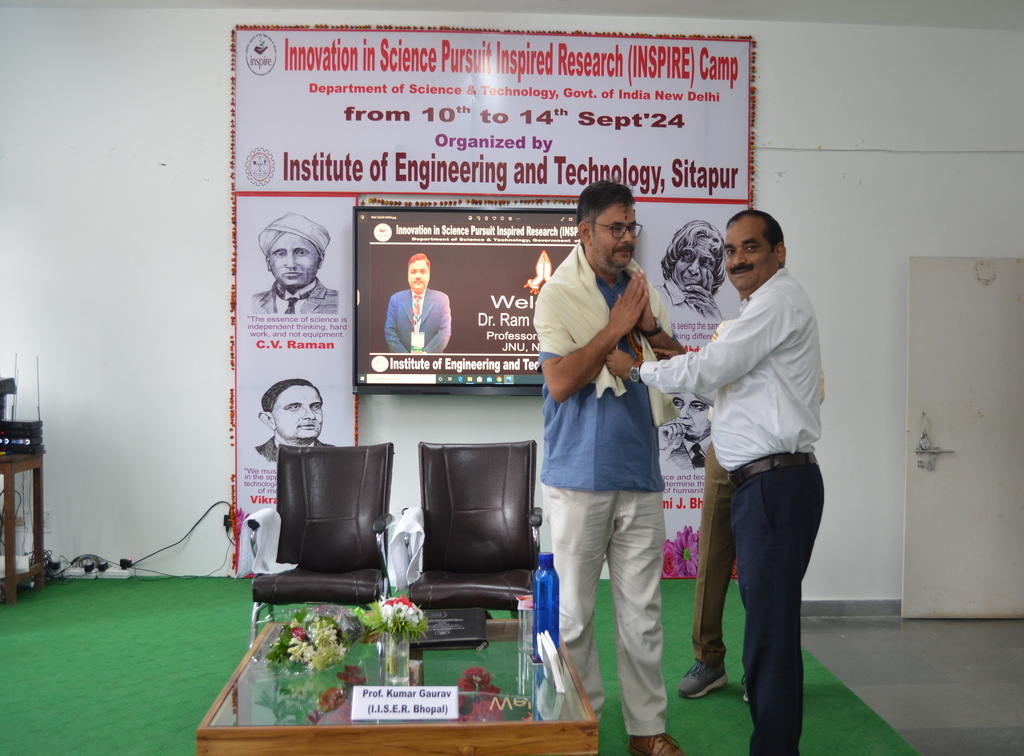
In the first session of the fifth day of the INSPIRE camp, Professor Dr. Kumar Gaurav from IISER Bhopal addressed the students, highlighting the vital role of geostationary satellites in providing weather information and enabling telecommunications. He noted that since the launch of Aryabhatta in 1975, India has successfully launched 125 satellites into space, marking significant progress in space technology.

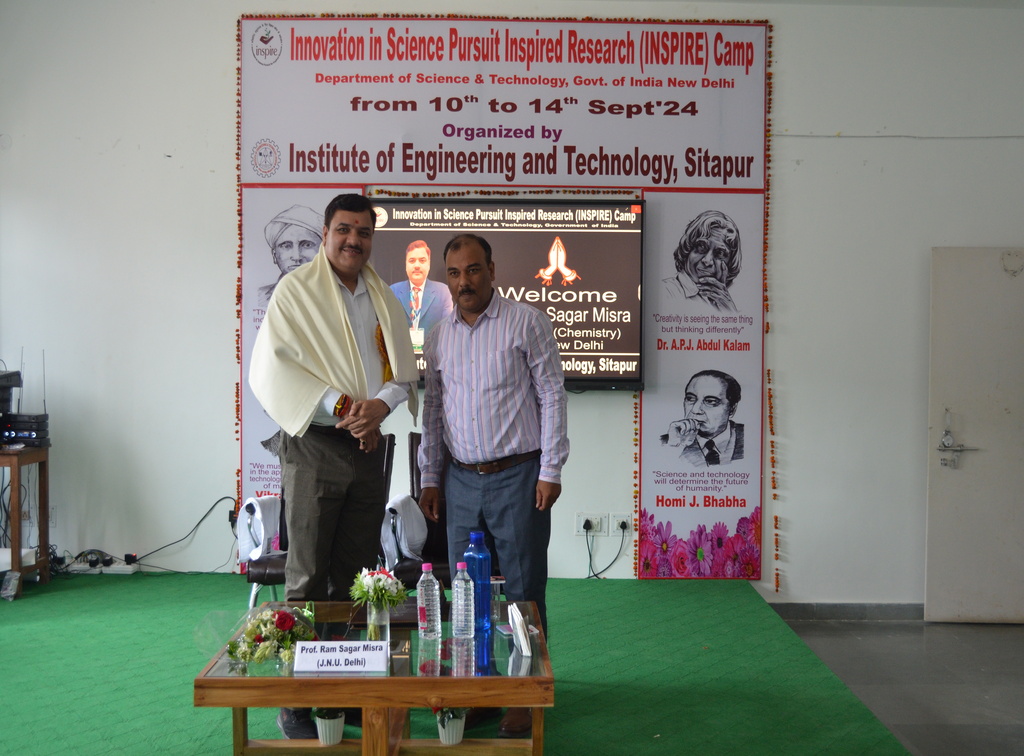
In the second lecture of the day, Professor Dr. Ramsagar Mishra from JNU Delhi highlighted the significant contributions of Indian scientists, particularly focusing on Acharya Jagadish Chandra Bose. He explained how Bose’s pioneering work in the Royal Society of Chemistry demonstrated that plants and trees possess life through the use of electric current.